An EU base, in euros
Cyprus has been a member of the European Union since 2004 and has used the euro since 2008. For investors, that means EU property and company law, euro-denominated assets and free movement for EU citizens, on an island two to three hours from much of Europe and the Middle East.
A legal system you recognise
Cyprus law is based on English common law, a legacy of British administration, and English is widely spoken in business, law and government. Contracts, title deeds and court procedures follow principles that British and international buyers find familiar, and many Cypriot lawyers trained in the UK.
A competitive tax system
The 2026 tax reform raised the tax-free income threshold, set corporate tax at 15% and kept Cyprus's non-domiciled regime, under which qualifying residents pay no Special Defence Contribution on dividends and interest. Cyprus has no inheritance tax. Our residency and tax guide sets out the detail.
A property market in demand
Property prices rose 8.5% in the year to the second quarter of 2026, according to the Central Bank of Cyprus, with the Famagusta district, home to Protaras and Ayia Napa, up 10%. In the first nine months of 2026, 14,969 contracts of sale were signed, about 13.6% more than a year earlier, and foreign buyers accounted for 41.9% of them.
| Central Bank of Cyprus price index | Annual change |
|---|---|
| National, year to Q2 2026 | +8.5% |
| Famagusta district | +10.0% |
| Larnaca district | +9.8% |
| Paphos district | +9.6% |
| Limassol district | +7.8% |
| Nicosia district | +5.7% |
District figures move a lot from quarter to quarter, so treat a single quarter as a snapshot, not a trend.
Easy to reach
Larnaca and Paphos airports handled 13.75 million passengers in 2025, up 12%, with around 60 airlines flying 160 routes and the UK the largest market. Cyprus is on Eastern European Time, two hours ahead of the UK all year round.
Climate and lifestyle
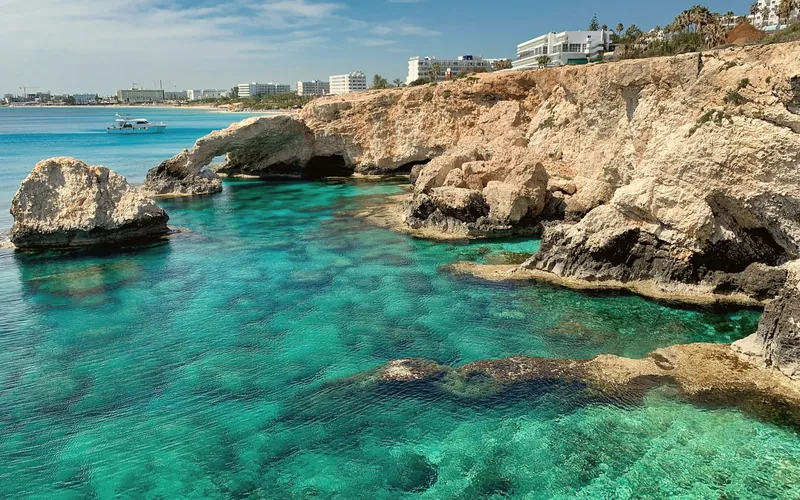
Cyprus enjoys more than 300 sunny days a year, averaging around 11.5 hours of bright sunshine a day through the six summer months. In July 2026, 46 beaches and two marinas were flying the Blue Flag for clean water and good management, more than half of them on the east coast around Protaras and Ayia Napa.
Healthcare and schooling
The national health system, GeSY, passed one million registered beneficiaries in 2025, alongside a well-developed private sector. English-language and British-curriculum schools operate across the island, including in Paralimni on the east coast.
History and culture
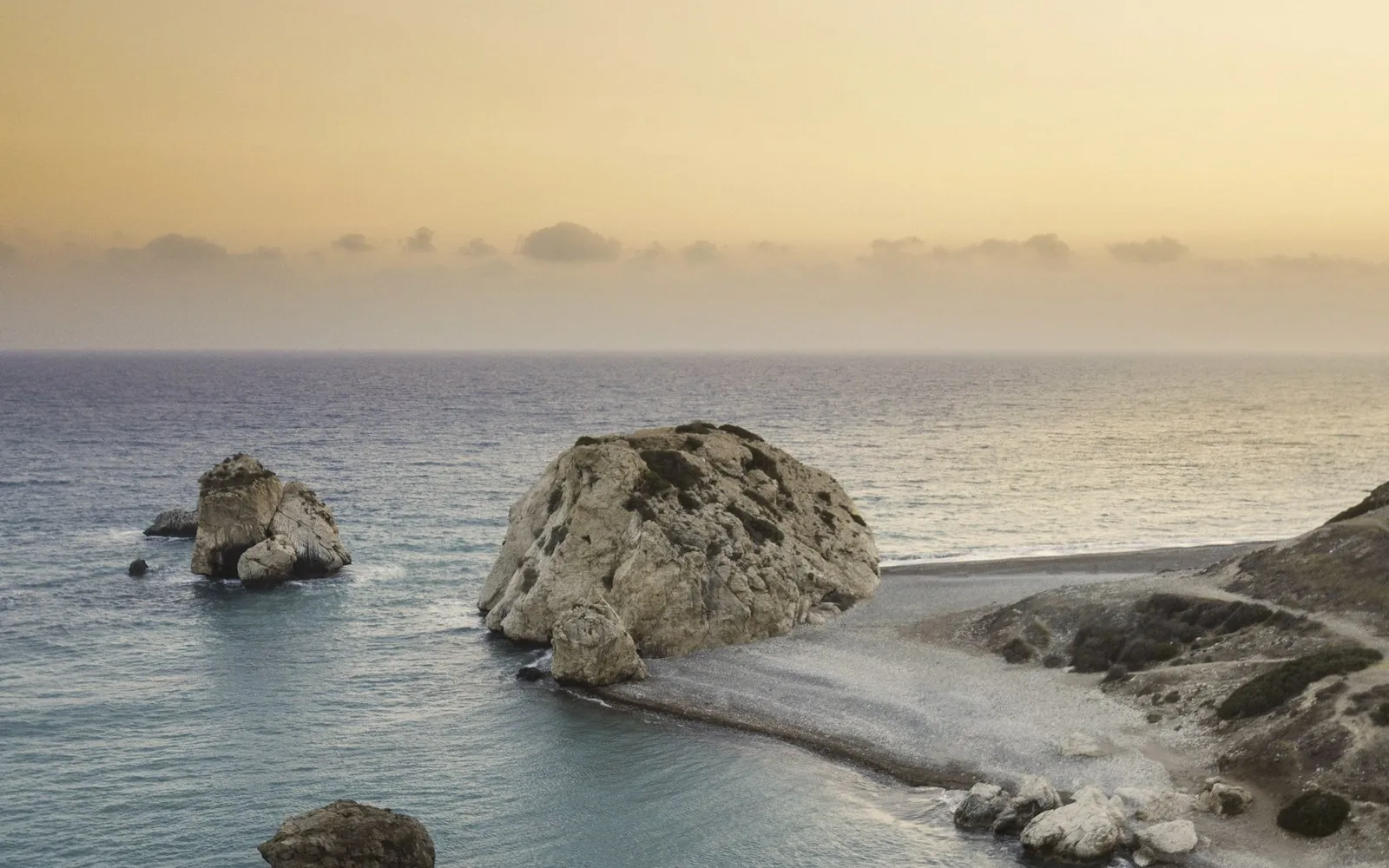
Three UNESCO World Heritage sites, the Painted Churches of the Troodos, the ancient city of Paphos and the Neolithic settlement of Choirokoitia, reflect more than nine thousand years of history. Village life, food and festivals remain part of everyday Cyprus.
Questions
Is Cyprus in the EU and does it use the euro?
Yes. Cyprus joined the European Union in 2004 and adopted the euro in 2008.
Are property prices in Cyprus rising?
According to the Central Bank of Cyprus, residential prices rose 8.5% in the year to the second quarter of 2026, and 10% in the Famagusta district. Prices can fall as well as rise.
Do foreigners buy property in Cyprus?
Yes. In the first nine months of 2026, foreign buyers signed 41.9% of all contracts of sale registered with the Department of Lands and Surveys.
Is there inheritance tax in Cyprus?
No. Cyprus abolished inheritance tax in 2000, although your home country's rules may still apply.
Sources
- Cyprus Mail: Cyprus property prices climb as foreign demand stays strong (Central Bank of Cyprus index, 24 Sep 2026)
- Cyprus Mail: Department of Lands and Surveys contracts of sale, September 2026 (13 Oct 2026)
- Hermes Airports 2025 passenger results, via Routesonline (16 Jan 2026)
- Cyprus Mail: 46 beaches and two marinas flying the Blue Flag (17 Jul 2026)
- Government of Cyprus: Cyprus, Did you know that… (2024)
- Sigmalive: over 1 million registered GeSY beneficiaries (30 May 2025)
- UNESCO World Heritage List: Cyprus